The Hidden Leadership Tax of Locums Management
Most healthcare organizations understand the financial cost of locums. What’s harder to quantify but just as real is the leadership tax that comes with managing them.
Most healthcare organizations understand the financial cost of locums. What’s harder to quantify
Read MoreThe workforce management landscape in 2025 told a story of both challenge and transformation.
Read MoreHealthcare never stops, and neither do the challenges that disrupt staffing. Pandemics, natural

Read MoreI was speaking to an executive in a health system that was six months into having implemented an

Read MoreHealthcare leaders are facing unprecedented financial pressure. With rising costs from tariffs on

Read MoreWhen you're responsible for serving over three million patients annually across 700 care locations,

Read MoreFrom workforce shortages to challenges in retention and recruitment, developing sustainable
Read MoreHealthcare organizations face unprecedented workforce challenges as the staffing market continues

Read MoreSouth Shore Health (SSH) has long been a leader in delivering exceptional care. As Massachusetts’
Read MoreIn a compelling industry panel discussion hosted by Health Connect South, four healthcare leaders

Read MoreWhile nurses were more widely recognized during the COVID-19 pandemic, the allied health

Read MoreIn healthcare staffing, promoting diversity and inclusivity is not only ethically imperative but

Read MoreIn the wake of the COVID-19 pandemic, mental health has emerged as a critical area of concern

Read MoreIn the dynamic realm of healthcare workforce solutions, the tug-of-war between a mission-driven

Read MoreThe primary concern for organizations globally lies in the realm of workforce challenges, and this

Read MoreA leading healthcare system headquartered in the Southeast, with a network of hospitals and a

Read MoreIn the complex world of healthcare staffing, staying ahead requires a deep understanding of the

Read MoreIn the competitive healthcare landscape, attracting and retaining top talent goes beyond offering
Read MoreOver the last several months, much has been discussed about the state of staffing, how certain
Read MoreIn today's fast-paced healthcare environment, agility is not just a buzzword—it's a critical
Read MoreHWL executives, Jeff Niles, Executive Vice President, and Tommy Binner, Vice President, hosted the
Read More
Most healthcare organizations understand the financial cost of locums. What’s harder to quantify but just as real is the leadership tax that comes with managing them.

The workforce management landscape in 2025 told a story of both challenge and transformation. Healthcare organizations spent over 50% of their budgets on labor costs while facing unprecedented staffing shortages, according to Redesign Health analysis. Education wasn't far behind, with 1 in 8 teaching positions either vacant or filled by uncertified educators, reports the Learning Policy Institute. Yet amid these challenges, innovative solutions emerged that are reshaping how organizations approach workforce strategy.

Healthcare never stops, and neither do the challenges that disrupt staffing. Pandemics, natural disasters, sudden medical group transitions, and unplanned leaves of absence can strike without warning, putting patient care at risk. When these moments hit, healthcare organizations need skilled, compassionate providers who can step in immediately and maintain continuity of care. This is where locums agencies shine.

I was speaking to an executive in a health system that was six months into having implemented an MSP with a very large staffing agency that had promised everything under the sun from customer service, fill rates, quality and cost savings. I was not shocked to hear that almost none of the promises from sales had materialized.

Healthcare leaders are facing unprecedented financial pressure. With rising costs from tariffs on medical imports and Medicare reimbursement cuts straining margins, hospital executives—from CFOs to COOs and CNOs—are being forced to make hard decisions.

When you're responsible for serving over three million patients annually across 700 care locations, operational efficiency isn't just a goal - it's essential for patient care. RWJBarnabas Health (RWJ), New Jersey's largest integrated healthcare system, discovered this firsthand when their locum tenens program became a source of administrative burden rather than strategic support.

From workforce shortages to challenges in retention and recruitment, developing sustainable strategies is essential for driving organizational performance and ensuring long-term success in healthcare.

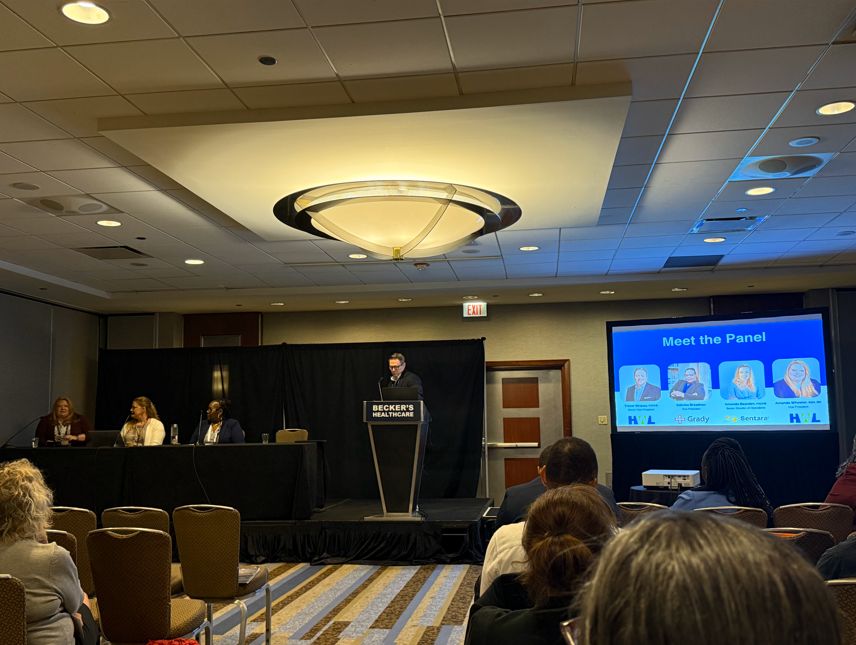
Healthcare organizations face unprecedented workforce challenges as the staffing market continues to contract and evolve. This article examines the latest industry data and reveals how HWL's comprehensive suite of solutions can help healthcare providers navigate these challenges while optimizing their workforce strategy and controlling costs.

South Shore Health (SSH) has long been a leader in delivering exceptional care. As Massachusetts’ only community-based Level III NICU and one of just three Level II Trauma Centers in the state, SSH sets the standard for regional healthcare. Its nationally recognized cardiac program performs more than 3,500 procedures annually and consistently ranks among the top 10 hospitals in the state.

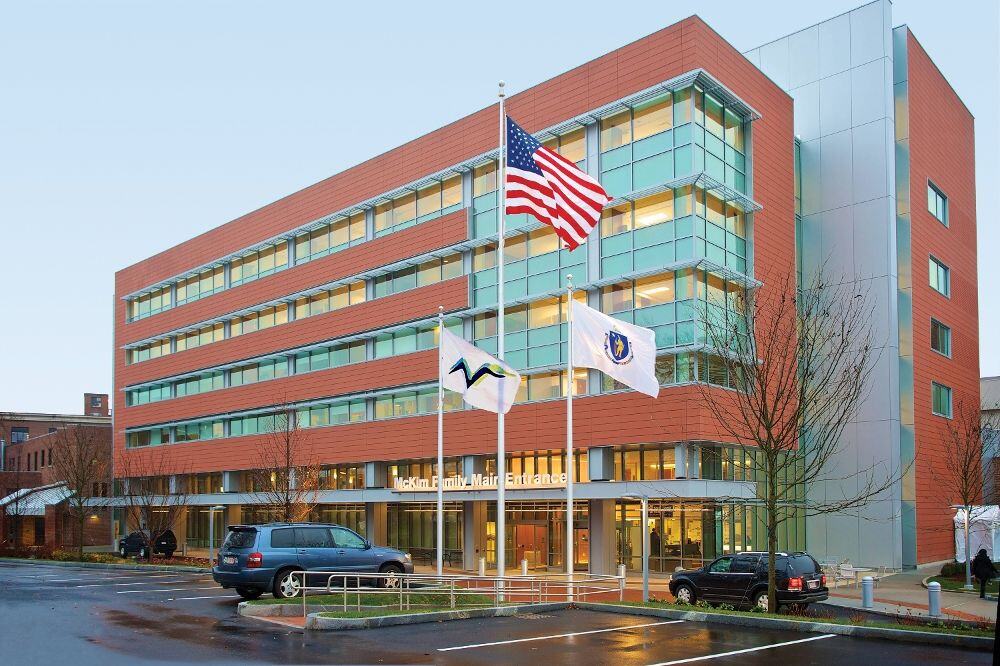
In a compelling industry panel discussion hosted by Health Connect South, four healthcare leaders came together to share their perspectives on an industry at a crossroads. The panel discussion, The State of Healthcare: Industry Leaders Perspectives, which brought together voices from different corners of healthcare, revealed both the challenges and opportunities that lie ahead in transforming healthcare.

While nurses were more widely recognized during the COVID-19 pandemic, the allied health sector—comprising a wide range of professionals from imaging specialists to rehabilitation therapists—has also undergone significant changes. As healthcare leaders face ongoing staffing challenges, the demand for allied health professionals continues to rise, underscoring their critical role in comprehensive patient care.

In healthcare staffing, promoting diversity and inclusivity is not only ethically imperative but also strategically beneficial. Disadvantaged Business Enterprises (DBE) programs play a central role in achieving these goals. DBEs are businesses owned and operated by individuals confronting social and economic challenges, encompassing minority-owned, women-owned, veteran-owned, and disabled-owned enterprises, among others. These programs are designed to provide equitable access for DBEs to participate in federally funded contracts, particularly in healthcare staffing, thereby fostering supplier diversity and advancing equity in the healthcare sector.

In the wake of the COVID-19 pandemic, mental health has emerged as a critical area of concern within the healthcare sector. As healthcare organizations grapple with the economic impact of mental health costs and workforce shortages, the need for reliable staffing solutions has never been more pressing. According to recent data, the annual economic burden of mental and medical healthcare costs combined with lost productivity exceeds a staggering $220 billion in the United States alone. This figure underscores the urgency to address staffing challenges effectively to mitigate further financial strain and ensure quality patient care.

In the dynamic realm of healthcare workforce solutions, the tug-of-war between a mission-driven approach and a metric-oriented mindset often takes center stage. Balancing the human-centric ethos of healthcare with the demands of efficiency and performance metrics presents a challenge for managers and administrators, both internally at health systems and externally with agency or other partners. Understanding the nuances between these two mindsets is crucial for creating an effective workforce strategy that prioritizes both the mission of care and operational excellence.

The primary concern for organizations globally lies in the realm of workforce challenges, and this is evident across various sectors. Nowhere are these challenges more pronounced than in healthcare, with continuous shortages of providers of all types.

A leading healthcare system headquartered in the Southeast, with a network of hospitals and a variety of ancillary health services, was facing a decision to continue with the status quo or insource control of their human capital and workforce solutions.

In the complex world of healthcare staffing, staying ahead requires a deep understanding of the industry. The Staffing Industry Analysts’ (SIA) 2024 Workforce Solutions Buyer Survey, focusing on the United States, sheds light on how organizations manage their flexible workforce, their supplier strategies, and what they prioritize for the future.

In the competitive healthcare landscape, attracting and retaining top talent goes beyond offering competitive salaries and benefits. The strength and appeal of your company's brand play a crucial role in drawing in the right candidates and fostering long-term loyalty among existing staff. This blog explores how effective company branding can be a powerful tool for employee retention and attraction, turning your brand into a magnet for talent and a catalyst for loyalty.

Over the last several months, much has been discussed about the state of staffing, how certain segments are contracting significantly, and the overall shifting landscape. The one major area of expansion though is the physician and provider space. From the latest by SIA, we are seeing continued locum tenens growth with 27% in 2022, 12% in 2023, and a projected incremental growth in 2024 of an additional 7%.

In today's fast-paced healthcare environment, agility is not just a buzzword—it's a critical strategy for success. The ability of healthcare organizations to quickly adapt to changes, whether in patient care demands, technological advancements, or unexpected crises, hinges practical the agility of their workforce. An agile workforce is characterized by flexibility, resilience, and a proactive approach to change. This blog explores effective strategies for creating an agile workforce in healthcare, ensuring organizations can meet the evolving needs of their patients and the industry at large.

HWL executives, Jeff Niles, Executive Vice President, and Tommy Binner, Vice President, hosted the Becker’s Healthcare Webinar, How Hospitals Can Get an Upper Hand on Contract Staffing, that discusses the distinctions between vendor-neutral Managed Service Providers (MSPs) and master agency MSPs, highlighting the advantages of partnering with a non-agency staffing provider. The HWL leaders were joined by Maxine Briggs, CFO, Samaritan Health, and Meghan Fay-McCaffrey, Network Director Physician Services, UVMHN Medical Group, as they explained how the vendor-neutral MSP model has impacted their organizations for the better.