


















Navigating the Rapid Evolution of Locum Tenens Staffing: Insights and Strategies for Success
For better or worse, the world of locum tenens staffing is changing more rapidly than ever before.
Read MoreThe Situation Banner Health, regarded and recognized as a top health system in the country for the
Read MoreIt is with immense pride and enthusiasm that we extend a heartfelt welcome to Tamara Miller, the
Read MoreThe past few years have seen a large increase in the utilization of contingent workers. In fact,
Read MoreIt's no secret that the healthcare industry experienced unforeseen challenges that have driven
Read MoreHealthcare has been undergoing major staffing upheavals for a very long time, even setting aside
Read MoreBill Rates for travel healthcare professionals are beginning to stabilize for the first time since
Read MoreKaufman Hall, a well-known management consulting firm, and Syntellis, a healthcare data and
Read MoreThe Pandemic swept the nation and revealed the extreme pressures placed on our country's healthcare
Read MoreKaiser Health News (KHN) shared the news in December that a new workforce solution has attracted
Read MoreThe 2020s have been a decade of challenges and adversity for society as a whole. Healthcare has
Read MoreIt's no secret that the COVID-19 pandemic created unforeseen challenges and has forced every
Read MoreThe introduction of the COVID-19 vaccine brought a sigh of relief to most Americans, signaling a
Read MoreHealthcare Workforce Logistics (HWL) partnered with Georgia Emergency Management and Homeland
Read MoreIn times of crisis, it is vital for healthcare organizations to lean on the right outside partners
Read MoreCOVID-19 has accelerated the digitalization of the hiring process. With increased emphasis on
Read MoreWhile 2020 has been a difficult year, HWL has had the privilege of joining the call for nationwide
Read MoreHealthcare systems of all sizes are acknowledging the benefits of working with contingent labor;
Read MoreSince the onset of the COVID-19 pandemic in the U.S., Healthcare Workforce Logistics (HWL) has
Read More
Are you coming to ASHHRA in beautiful PIttsburgh, PA?
Read MoreFor decades, legacy MSP and VMS providers have offered solutions to manage contingent labor that
Read More
For better or worse, the world of locum tenens staffing is changing more rapidly than ever before.

The Situation
Banner Health, regarded and recognized as a top health system in the country for the clinical quality consistently provided to patients in its hospitals, is headquartered in Phoenix, Arizona. The non-profit health system operates 30 hospitals, including three academic medical centers and other related health entities and services in six states. With over 52,000 employees and 5,000 providers, Banner Health is Arizona's largest private health system and the third largest employer in the Northern Colorado front-range area.

It is with immense pride and enthusiasm that we extend a heartfelt welcome to Tamara Miller, the latest addition to our HWL team as Vice President. With a career adorned with outstanding achievements and a profound dedication to the healthcare industry, her proven prowess in strategic solutions and business development is showcased through her role as Director of Strategic Solutions at Kirby Bates Associates, Orlando, where she orchestrated client-centered approaches, fostering growth and innovation. Previously, as Regional Sales Manager at Morgan Hunter Healthcare, Kansas City, Tamara displayed exceptional acumen in nurturing client relationships across six states, with a distinct focus on resolving EHR-based challenges.

The past few years have seen a large increase in the utilization of contingent workers. In fact, it's estimated that "the global contingent workforce industry generated $171.5 trillion in 2021 and is estimated to reach $465.2 trillion by 2031." In the healthcare space, around 90% of healthcare executives said they employ travel nurses within their organization in 2021.

It's no secret that the healthcare industry experienced unforeseen challenges that have driven innovation and adaptation in order to survive. Medical facilities have altered procedures and created new policies in order to accommodate massive influxes of patients and improve patient outcomes — but it certainly hasn't been easy, and there are still some common pain points that many organizations still deal with.

Healthcare has been undergoing major staffing upheavals for a very long time, even setting aside the exacerbations that have been felt over the past few years. But while some organizations have pivoted their strategies toward employee-centric retention and engagement models, others have struggled to retain costs.

Bill Rates for travel healthcare professionals are beginning to stabilize for the first time since 2019. The immediate need for Registered Nurses (RN) at the beginning and throughout the Covid-19 pandemic put intense pressure on hospitals to fill vacancies, regardless of the hit their facilities took to their budget. Demand for staff during the pandemic skyrocketed, and most hospitals due to high vacancy rates of permanent staff needed to meet the demand by using outside staffing agencies. With few options hospitals turned to agencies to supply the nurses their hospitals so desperately needed. With bill rates rapidly increasing, questions began to swirl around what percent of bill rates are going to staff pay packages. The answers to those questions proved elusive.

Kaufman Hall, a well-known management consulting firm, and Syntellis, a healthcare data and intelligence solution organization, released the January 2023 National Hospital Flash Report. The insight provided in the report combines 2022 operating performance data from 900 hospitals nationwide. The National Hospital Flash report is intended to provide healthcare organizations with a granular view of how they are operating in everchanging market conditions with the hopes of providing insight to inspire solutions to hospital financial and operational challenges.

The Pandemic swept the nation and revealed the extreme pressures placed on our country's healthcare delivery system. Healthcare provider organizations face a highly competitive market due to chronic labor shortages and burnt-out medical workers. Additionally, inflation and unsustainable market rates that have yet to stabilize are making for the perfect storm. As a result, hospitals are being forced to find solutions that are both progressive and innovative to combat this clinical staffing dynamic. Healthcare organizations must address labor shortages with more creativity and business intelligence than before the Pandemic to operate in the black.

Kaiser Health News (KHN) shared the news in December that a new workforce solution has attracted the eyes of leadership at many large healthcare organizations across the nation. An increasing number of health systems and medical facilities are creating internal agencies to staff their centers that are struggling with tremendous gaps in their clinical staff and a heavy reliance on travel nurses to fill those gaps. The reliance on travel nurses has created contingent staff costs that have skyrocketed through using the traditional staffing model that healthcare staffing companies offer. Without any cap on what staffing agencies can charge for nurse coverage, hospitals have paid what was asked to avoid any interruption in the care at their facilities. The agency markups are becoming detrimental to the organizations that desperately look to them for nurses.
.jpg)
The 2020s have been a decade of challenges and adversity for society as a whole. Healthcare has borne the brunt of these challenges as it was on the frontlines of many of these trials. Healthcare workers have pushed through many of the obstacles that were put in front of them over the last three years, beginning at the start of the Pandemic. Staff shortages, long hours with no breaks, delays in receiving necessary supplies, and overall low morale have brought forth new core challenges that we must continue to address nationwide as we enter 2023.

It's no secret that the COVID-19 pandemic created unforeseen challenges and has forced every industry to innovate and adapt in order to survive; and the healthcare industry is certainly not an exception. Medical facilities have altered procedures and created new policies in order to accommodate massive influxes of patients and improve patient outcomes — but it certainly hasn't been easy, and there are still some common pain points that many organizations still deal with.

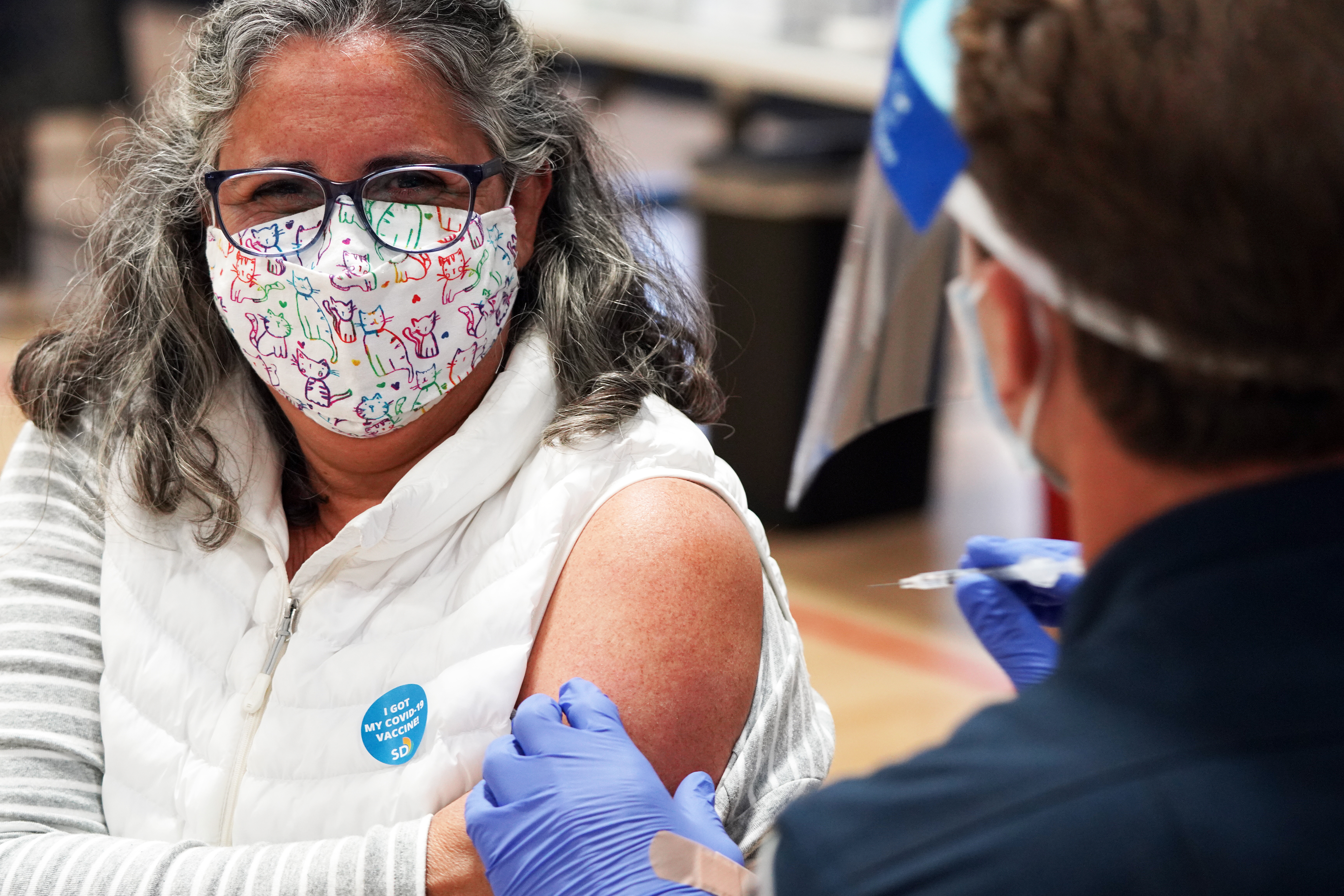
The introduction of the COVID-19 vaccine brought a sigh of relief to most Americans, signaling a gradual shift to normalcy. This return to normal, however, will not come easy. The vaccine alone can not solve the problem—it will take widespread vaccinations to put an end to the global pandemic. Since the onset of the pandemic, Healthcare Workforce Logistics (HWL) has doubled down on what it does best — mobilizing healthcare professionals where they’re needed most and providing creative solutions like mobile vaccination sites to the nation’s most difficult to reach communities.

Healthcare Workforce Logistics (HWL) partnered with Georgia Emergency Management and Homeland Security Agency (GEMA/HS) to provide a full-service Vaccination Staffing Program with a scalable platform designed for speed to delivery.

In times of crisis, it is vital for healthcare organizations to lean on the right outside partners to supplement their own resources. The fall of 2020 was a difficult one, ushering in yet another surge of COVID-19 patients to hospitals and clinics across the nation and stretching critical healthcare staff—Banner Health was no exception. In mid-November, Banner’s Managed Services Provider (MSP), Healthcare Workforce Logistics (HWL), put out the request for physicians through its Vendor Management System (VMS). David Gibbons, a healthcare consultant at Floyd Lee Locums, saw the openings and eagerly performed the search. As a newly contracted vendor for Banner, Floyd Lee Locums was tasked with presenting high-performing candidates quickly while adhering to Banner’s internal hiring process.

COVID-19 has accelerated the digitalization of the hiring process. With increased emphasis on removing friction in regard to talent acquisition, streamlining the onboarding process to keep costs down, fill rates up, and the quality of staff consistent—this year technology and automation are even more important.

While 2020 has been a difficult year, HWL has had the privilege of joining the call for nationwide coronavirus (COVID-19) assistance—deploying the COVID-19 Surge Staffing Program to connect healthcare organizations with contingent workers rapidly and seamlessly. We have witnessed locums, nursing, and allied health professionals around the U.S. band together to help others in hard-hit areas respond to this pandemic, advocating for people they have never met and providing quality compassionate care when needed most.
![[Checklist] Are You Managing Contingent Labor Effectively?](https://blog.hwlworks.com/hubfs/AManaging%20Contingent%20Labor%20BP.jpg)
Healthcare systems of all sizes are acknowledging the benefits of working with contingent labor; however, many organizations are finding it difficult to manage agency spend, streamline the recruitment process and possess the strategic foresight necessary for successful future staff planning. Contracting with workforce solutions providers to assist with managing contingent labor can save hospitals and practices money while also allowing the organization to focus on what they do best—caring for patients.

Since the onset of the COVID-19 pandemic in the U.S., Healthcare Workforce Logistics (HWL) has doubled down on what it does best - mobilizing healthcare professionals where they’re needed most, at competitive rates - in the nation’s hot spots, including a pivotal role in our home state of Georgia.

Are you coming to ASHHRA in beautiful PIttsburgh, PA?

For decades, legacy MSP and VMS providers have offered solutions to manage contingent labor that have led to ever increasing rates and utilization.
HWL offers a new alternative to better manage contingent labor and improve direct hire recruitment. Through a combination of proprietary next generation technology and customizable managed services, HWL delivers a vendor neutral Total Talent Acquisition solution that lowers overall labor costs while reducing administrative burden.