Spotlight: Transforming Contingent Workforce Management Through Onsite Partnership
Across the nation, health systems and nursing schools are running into the same bottleneck: a
Read More

Healthcare organizations face unprecedented challenges in managing contingent labor costs, vendor
Read MoreThe healthcare industry has become an increasingly complex balancing act. Between regulatory

Read MoreHealthcare organizations face mounting pressure to maintain optimal staffing levels while managing

Read MoreHealthcare organizations face unprecedented workforce challenges as the staffing market continues

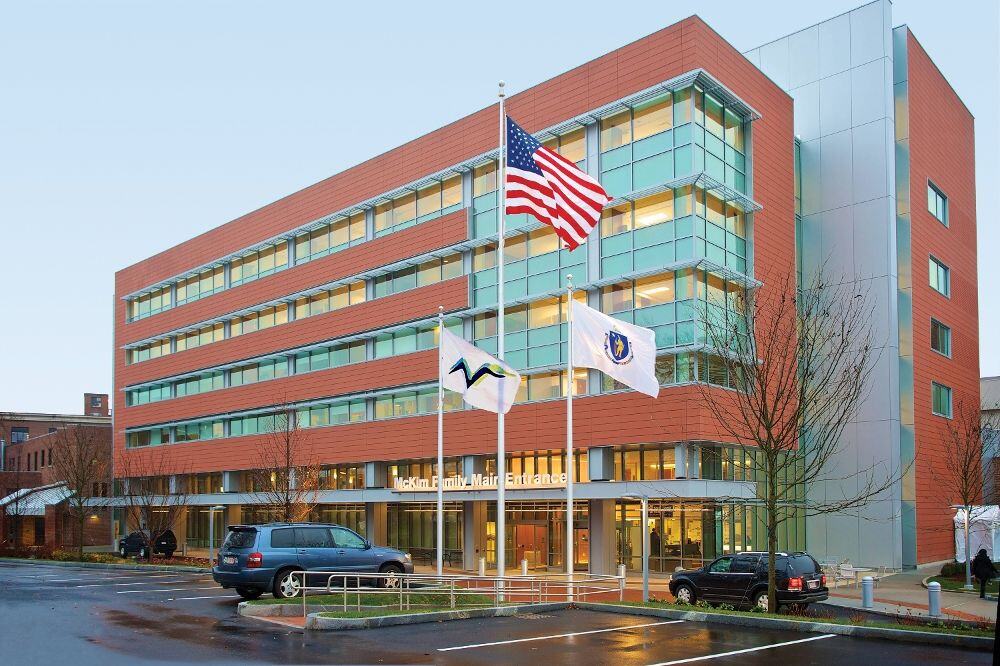
Read MoreSouth Shore Health (SSH) has long been a leader in delivering exceptional care. As Massachusetts’
Read MoreIn the dynamic and unpredictable business of modern healthcare, the importance of an adaptable and

Read More.png)

Across the nation, health systems and nursing schools are running into the same bottleneck: a shortage of preceptors. Without enough qualified nurses to guide students through clinical rotations, health systems are forced to overextend staff nurses, while academic institutions struggle to expand class sizes. The result? Student capacity shrinks, nurses burn out, and the workforce pipeline suffers.

Healthcare organizations face unprecedented challenges in managing contingent labor costs, vendor relationships, and workforce optimization. Strategic vendor management systems deliver measurable cost savings, enhanced transparency, and oversight of contingent staffing programs—positioning procurement professionals to drive meaningful ROI while maintaining operational excellence.

The healthcare industry has become an increasingly complex balancing act. Between regulatory changes, staffing shortages, and patient volume fluctuations, running a healthcare organization today feels like performing surgery while the operating room transforms around you. The question isn't whether unexpected challenges will hit your facility—it's when, and how ready you'll be to handle them.

Healthcare organizations face mounting pressure to maintain optimal staffing levels while managing costs and quality care. A resilient provider staffing strategy requires three key elements: rate transparency, workforce optimization, and administrative efficiency. HWL helps empower partners to do this every day here are some key learnings in each category:

Healthcare organizations face unprecedented workforce challenges as the staffing market continues to contract and evolve. This article examines the latest industry data and reveals how HWL's comprehensive suite of solutions can help healthcare providers navigate these challenges while optimizing their workforce strategy and controlling costs.

South Shore Health (SSH) has long been a leader in delivering exceptional care. As Massachusetts’ only community-based Level III NICU and one of just three Level II Trauma Centers in the state, SSH sets the standard for regional healthcare. Its nationally recognized cardiac program performs more than 3,500 procedures annually and consistently ranks among the top 10 hospitals in the state.

In the dynamic and unpredictable business of modern healthcare, the importance of an adaptable and resilient workforce cannot be overstated. After we experience the annual year end mad dash of elective procedures patients schedule strategically to beat resetting deductibles and the long winter months of seasonal illness that require us to “staff up” for volumes, late Spring & Summer can be deceptive seasons for healthcare leaders as patient volumes decrease and staffing appears to “stabilize.” Inevitably, the reprieve is always short lived, so it is imperative we spend those calmer times planning, implementing and/or optimizing our workforce strategies for the next evolution. Even healthcare systems currently experiencing low turnover rates and minimal reliance on external contingent labor should consider investing in and optimizing an internal resource pool, or Local Insourced Flex Team (LIFT). This strategic move is crucial in addressing seasonal fluctuations in patient volume, unexpected staff absences, and the prolonged time required to fill vacancies. Additionally, it provides a local solution to the ongoing nursing shortage and serves as a retention mechanism by offering flexible work options, alternatives to travel nursing & competitive compensation that benefit both the organization and its employees.