


















Debunking the Myths: Why VMS and MSP Solutions Work for Locum Staffing
If you’ve explored VMS or MSP solutions for managing locum tenens staffing, you’ve probably heard warnings like:
If you’ve explored VMS or MSP solutions for managing locum tenens staffing, you’ve probably heard
Read MoreHealthcare never stops, and neither do the challenges that disrupt staffing. Pandemics, natural
Read MoreHealthcare demand for locum tenens and contingent staffing has never been higher. The pandemic
Read MoreHealthcare leaders are facing unprecedented financial pressure. With rising costs from tariffs on
Read MoreBottom Line Up Front: Healthcare organizations face unprecedented challenges in managing contingent
Read MoreFrom workforce shortages to challenges in retention and recruitment, developing sustainable
Read MoreHealthcare organizations face mounting pressure to maintain optimal staffing levels while managing
Read MoreAs healthcare organizations navigate the constantly evolving landscape, the need for scalable,
Read MoreThe demand and costs for locum tenens providers is continually on the rise. With the increasing
Read MoreThe effectiveness of how you manage your contingent workforce is as important a job as there is in
Read MoreThe primary concern for organizations globally lies in the realm of workforce challenges, and this
Read MoreHWL executives, Jeff Niles, Executive Vice President, and Tommy Binner, Vice President, hosted the
Read MoreHealthcare recruitment strategies have shifted dramatically over the past few years, with a heavier
Read More
If you’ve explored VMS or MSP solutions for managing locum tenens staffing, you’ve probably heard warnings like:

Healthcare never stops, and neither do the challenges that disrupt staffing. Pandemics, natural disasters, sudden medical group transitions, and unplanned leaves of absence can strike without warning, putting patient care at risk. When these moments hit, healthcare organizations need skilled, compassionate providers who can step in immediately and maintain continuity of care. This is where locums agencies shine.

Healthcare demand for locum tenens and contingent staffing has never been higher. The pandemic highlighted how critical staffing agencies are for delivering qualified providers quickly, but also exposed weaknesses in service quality, compliance, and transparency. As healthcare organizations rely on external staffing partners, vendor-neutral VMS/MSP platforms must streamline talent access while holding agencies accountable to higher service standards.

Healthcare leaders are facing unprecedented financial pressure. With rising costs from tariffs on medical imports and Medicare reimbursement cuts straining margins, hospital executives—from CFOs to COOs and CNOs—are being forced to make hard decisions.

Bottom Line Up Front: Healthcare organizations face unprecedented challenges in managing contingent labor costs, vendor relationships, and workforce optimization. Strategic vendor management systems deliver measurable cost savings, enhanced transparency, and oversight of contingent staffing programs—positioning procurement professionals to drive meaningful ROI while maintaining operational excellence.

From workforce shortages to challenges in retention and recruitment, developing sustainable strategies is essential for driving organizational performance and ensuring long-term success in healthcare.

Healthcare organizations face mounting pressure to maintain optimal staffing levels while managing costs and quality care. A resilient provider staffing strategy requires three key elements: rate transparency, workforce optimization, and administrative efficiency. HWL helps empower partners to do this every day here are some key learnings in each category:

As healthcare organizations navigate the constantly evolving landscape, the need for scalable, efficient, and cost-effective solutions has never been more critical. The challenges of managing a growing workforce, fluctuating patient volumes, and increasing regulatory demands require innovative approaches. This is where Vendor Management Systems (VMS) and Managed Service Providers (MSP) come into play, offering the flexibility and scalability that healthcare organizations need to thrive.

The demand and costs for locum tenens providers is continually on the rise. With the increasing demand for healthcare and diminishing supply of providers across the healthcare community, the need for flexible staffing solutions has organizations across the US turning to Vendor Management Systems (VMS) and Managed Service Providers (MSP) to streamline their operations and ensure quality coverage. Once only for the travelling nurse community, a well-chosen VMS/MSP can efficiently manage locums staffing needs, reducing the stress and cost of using locums.

The effectiveness of how you manage your contingent workforce is as important a job as there is in healthcare leadership today. With the rise of the gig economy and the increasing reliance on temporary workforce solutions, businesses are turning to Vendor Management Systems (VMS) and Managed Service Providers (MSP) to streamline their contingent workforce processes. However, amidst the myriad of options available, decision-makers must prioritize three key factors: Consistency, Centralization, and Configurability, often referred to as "The 3 C's".

The primary concern for organizations globally lies in the realm of workforce challenges, and this is evident across various sectors. Nowhere are these challenges more pronounced than in healthcare, with continuous shortages of providers of all types.

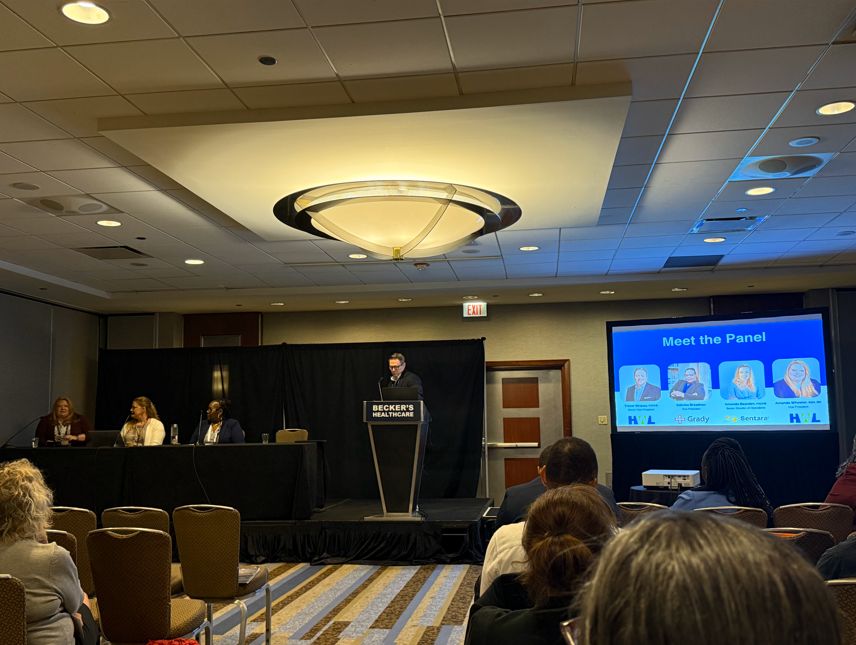
HWL executives, Jeff Niles, Executive Vice President, and Tommy Binner, Vice President, hosted the Becker’s Healthcare Webinar, How Hospitals Can Get an Upper Hand on Contract Staffing, that discusses the distinctions between vendor-neutral Managed Service Providers (MSPs) and master agency MSPs, highlighting the advantages of partnering with a non-agency staffing provider. The HWL leaders were joined by Maxine Briggs, CFO, Samaritan Health, and Meghan Fay-McCaffrey, Network Director Physician Services, UVMHN Medical Group, as they explained how the vendor-neutral MSP model has impacted their organizations for the better.

Healthcare recruitment strategies have shifted dramatically over the past few years, with a heavier emphasis on retaining key talent. This has manifested in a number of ways — relying on contingent staff to fill gaps and give full-time staff a break, implementing measures to improve work-life balance, and more. Since these changes have been driven by external factors such as new technologies, demographic shifts, and more, it has been up to each individual healthcare organization to decide how to invest in creative ways to attract talent.